19/10/2026 16:41
Should Others Remix Your Jewellery Demo? A YouTube Workflow for Cambodian Workshops
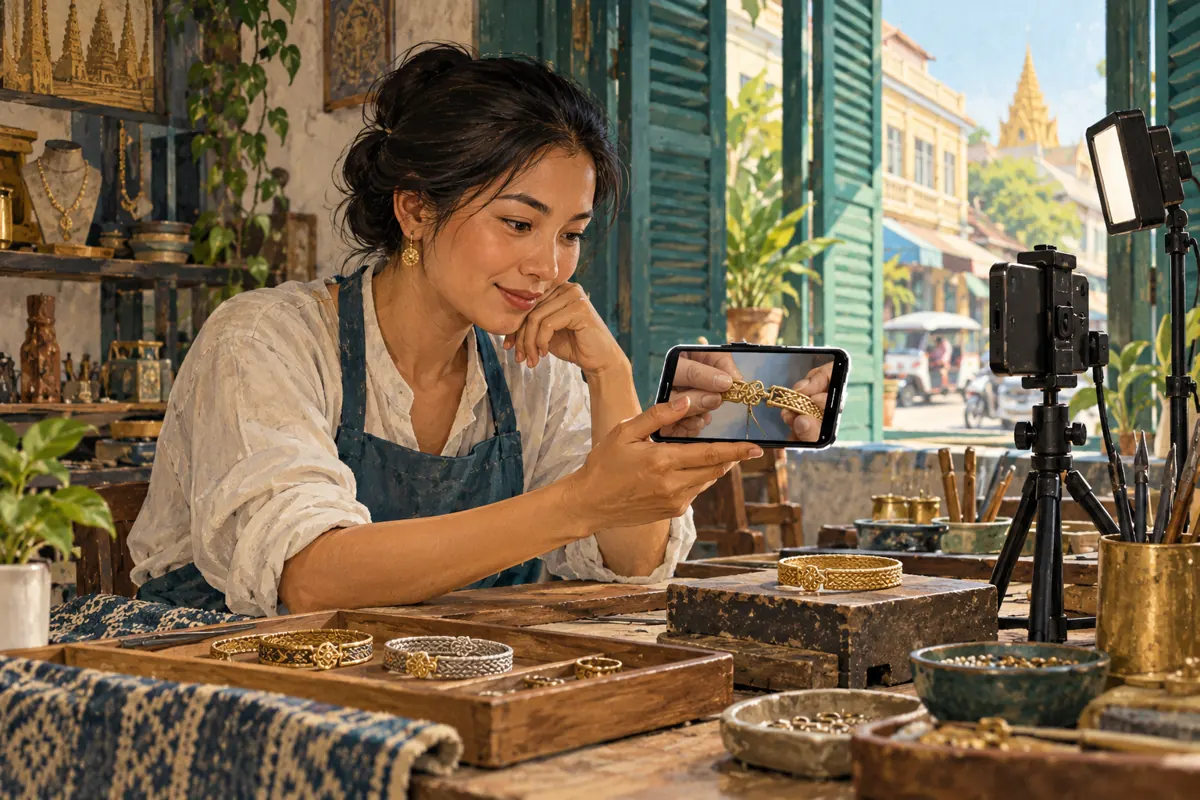
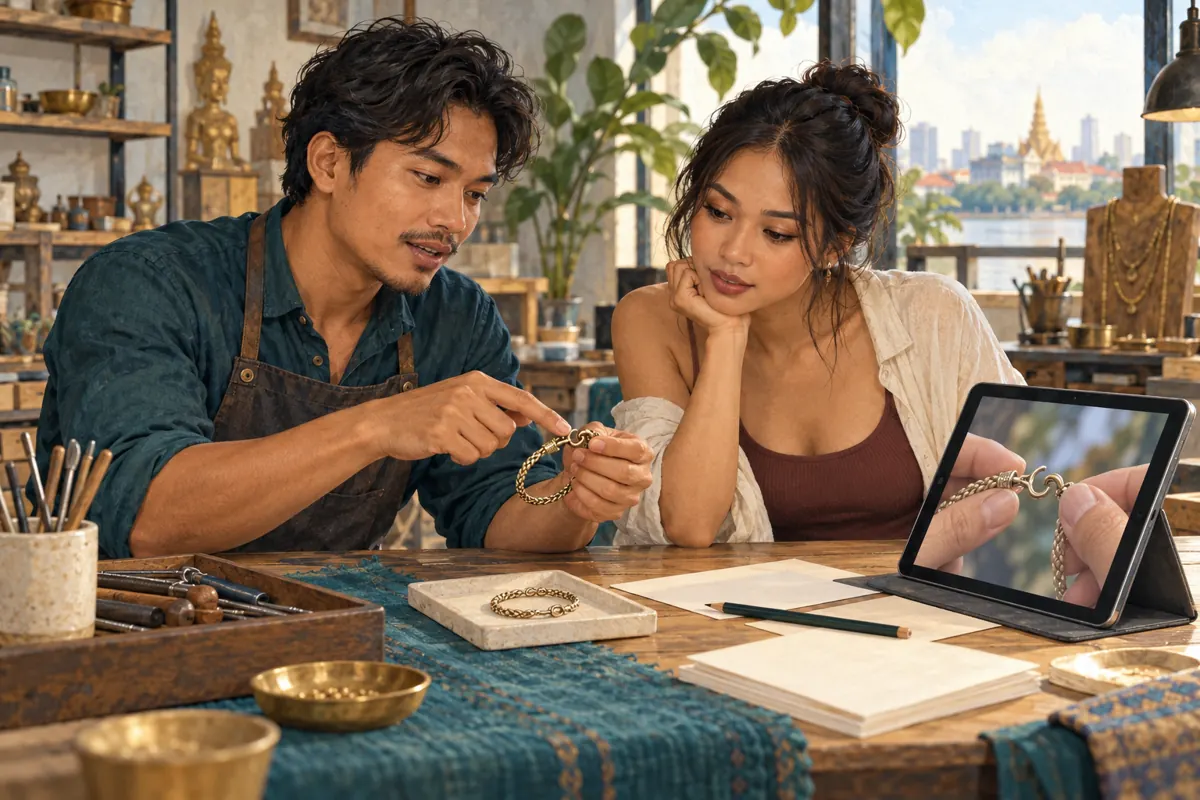
A close-up of a bracelet clasp can explain something a product photograph cannot: how the fastening actually works. When another creator uses that moment in a Short, however, the demonstration appears inside a different explanation. For a Cambodian jewellery workshop, the practical question is whether the footage still communicates accurately outside its original setting. This guide provides a workflow for choosing suitable demonstrations, reviewing YouTube’s remix controls, briefing collaborators and assessing the resulting enquiries. It also explains why an SMM panel listing cannot substitute for a creator who understands the product. The workshop scenarios below are hypothetical, not customer stories or performance claims.
1. Choose the customer question before choosing the footage
Start with one question that a prospective customer genuinely needs answered. A workshop in Phnom Penh might want to explain how a particular clasp opens, how a bracelet sits on a wrist, or what distinguishes two available finishes. Choose a question that can be answered visually without relying on a long sales explanation. Write the intended takeaway before reviewing the camera roll. For example: the viewer should understand where to press on this clasp.
Then identify what the demonstration does not establish. Showing a clasp opening does not prove durability, metal purity or suitability for every wearer. Keep those claims out of the collaboration brief unless the workshop has separate support for them. This boundary helps a creator build an accurate response around the footage. It also gives the shop a useful review standard: does the new presentation answer the original question, or has it turned a simple demonstration into an unsupported product promise?
2. Understand the control you are reviewing
YouTube’s official remix guidance explains that eligible audio or video can be incorporated into Shorts, with attribution to the source. Shorts are automatically opted into remixing. Ordinary creators can opt their Shorts out of video remixing; partners using Studio Content Manager have additional audio controls. These distinctions matter when deciding what to upload.
Treat visuals and speech as separate review tasks. Watch the footage silently, then listen without looking at the screen. A visual may be harmless while the spoken sentence refers to a private order. Conversely, a general explanation may accompany a distinctive commissioned design. Do not write a blanket internal note saying reuse is blocked without checking exactly which control is available and selected. Record the actual setting and the reason for it. A setting also should not be treated as a promise that nobody can copy publicly visible material by other means.
3. Sort demonstrations by how much context they need
Create three practical groups: suitable to consider for remixing, suitable only after a new edit, and unsuitable for the current promotion. The first group could contain a clearly filmed clasp demonstration using the workshop’s own sample. The second might contain useful footage interrupted by a customer’s name or a temporary offer. The third could include private commissions, conversations at the counter, or material whose reuse permissions are unclear. These are editorial decisions, not platform categories.
In a hypothetical Siem Reap workshop, a maker has filmed a bracelet alongside its handwritten order envelope. The fastening demonstration is useful, but the original recording is a poor promotional source. The maker films a separate demonstration on plain cloth with no order information visible. That new recording becomes the candidate for collaboration. The decision preserves the useful explanation without depending on another creator to notice and remove details the workshop should have handled first.
4. Make the important moment understandable on its own
Imagine someone sees only the moment when the maker presses the clasp. Would they know which part is moving? Would a tight crop hide the support provided by the other hand? Film the action with enough space around the object to preserve those relationships. Begin with the clasp closed, show the movement clearly, and finish with its open position visible. Avoid a decorative camera move during the instructional moment.
Use precise spoken language. In this hypothetical demonstration, the maker says that the movement applies to the sample being shown. A vague phrase such as all bracelets work like this would extend the claim beyond the evidence. For Cambodian viewers, prepare the explanation in the language the intended audience understands, and have a fluent reviewer check any translated collaboration brief. Keep prices, delivery promises and changing availability outside the reusable demonstration where possible. Those details are easier to maintain in the workshop’s current sales information.
5. Check the setting on the exact source video
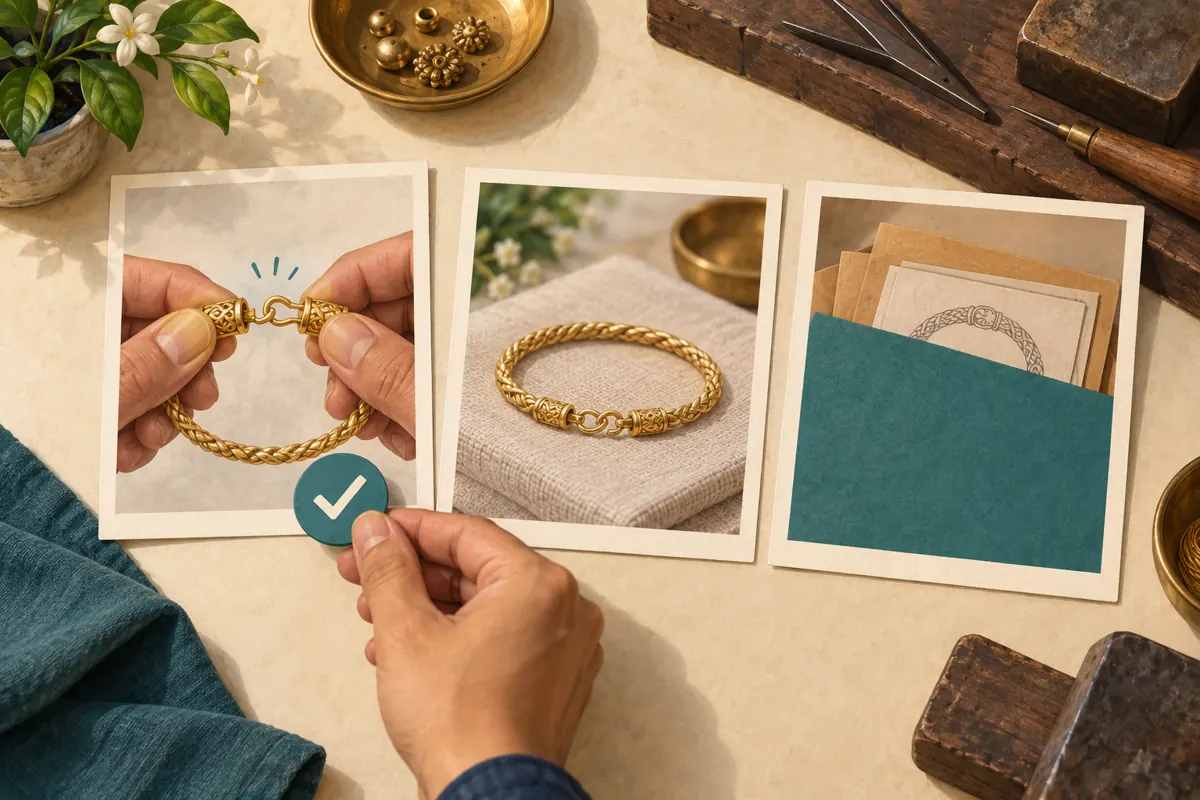
YouTube documents this route: open Studio, choose Content, select the video, open Show more, find Shorts remixing, choose the available option and save. Review the controls shown for that specific upload rather than assuming every video type offers identical choices.
Before saving, match the thumbnail and title to your approved demonstration. Workshops often have several similar takes, so an internal reference such as the bracelet sample and filming date can prevent mistakes. After saving, reopen the details and confirm the selected option. Record the source URL, decision date, reviewer and brief reason in your content notes.
Make the first review on one video. A collection containing general demonstrations, private commissions and older promotional offers needs individual judgement. Once the team understands the differences, it can establish a repeatable review routine for future uploads. Assign responsibility to the person who checks the finished footage, because they are best placed to notice whether the planned reuse decision still fits the final edit.
6. Give a collaborator a useful brief
A collaboration brief should describe the audience question, the exact source and the limits of the demonstration. In a hypothetical partnership with a Cambodian craft educator, the workshop asks for an explanation of the clasp movement. It supplies the approved video reference and clarifies that the demonstration does not establish the bracelet’s composition or expected lifetime. The educator can then develop an original explanation rather than copying a sales caption.
Agree on how factual questions will be checked before the planned collaboration is released. Identify who can confirm product details and where viewers should ask about current stock. If the creator has received payment or a gift, arrange appropriate disclosure rather than scripting the appearance of an independent customer recommendation. Keep the distinction between an agreed collaboration and general public remixing clear: a private brief guides that collaborator, but does not mean every other person using an available remix feature has accepted the same editorial process.
7. Decide whether an SMM panel service fits the task
The supplied public catalogue includes the exact listing “YouTube Like ~ Max 100k ~ 50k/days ~ Instant ~ 𝐍𝐎 𝗥𝗘𝗙𝗜𝗟𝗟”. Its name identifies a likes offering; no supporting description was supplied. The wording does not establish how engagement is obtained, whether participants understand the demonstration, or whether anyone is in Cambodia. Treat the delivery language in the title as catalogue wording, not verified performance.
YouTube’s Fake engagement policy prohibits artificial increases in engagement metrics and warns that a hired promoter’s actions can affect a channel. A service intended to inflate likes is therefore unsuitable for this workflow. Purchased engagement is not evidence of genuine interest, sales, ad delivery or Cambodian users.
Ask what work the promotion actually needs. Here, the useful tasks are filming a clear mechanism, checking the explanation and reaching people who want to understand it. A count-based listing does not demonstrate those capabilities. Allocate effort to the demonstration and a transparent collaboration; do not buy a visible number as a substitute for product understanding.
8. Prepare for changes to the source
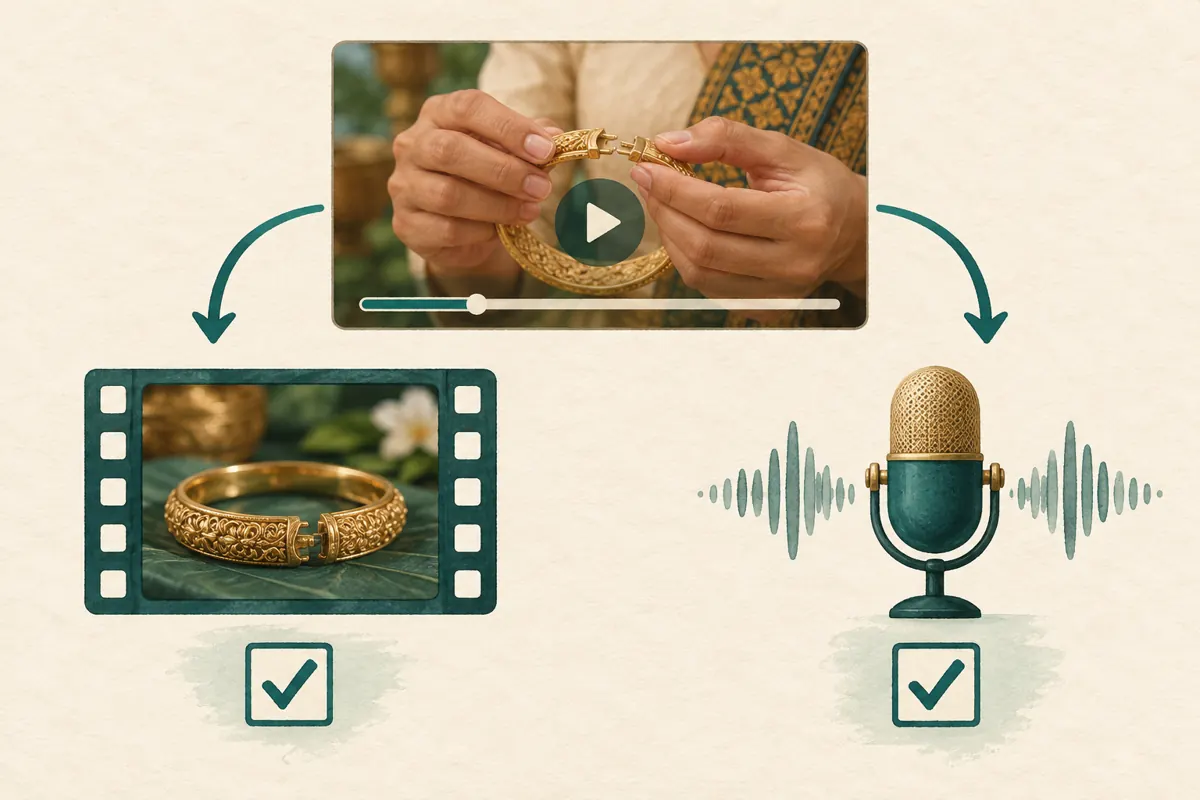
YouTube says restricting, deleting, trimming or blurring source content can affect existing remixes: video remixes may be deleted, while affected audio remixes are muted, unlisted and scheduled for deletion after 30 days. Check its official guidance before making a change.
Build a small dependency note for any collaboration you actively arrange. Record which source the creator used, who owns the product explanation and how to contact the collaborator if that explanation changes. This is especially useful when the workshop replaces a fastening or stops selling the demonstrated version. Tell the collaborator what changed and provide accurate replacement information. Do not assume they will interpret a platform notification as a complete business explanation.
If the source exposes private information or contains a serious error, address that problem promptly. Coordination should help people respond to the correction, not become a reason to leave the problem visible. Keep the original production files privately organised so that a revised demonstration can be prepared without reconstructing the entire shoot.
9. Review understanding rather than celebrating a counter
After the collaboration, examine the questions it produces. Are viewers asking how the clasp works, whether another model uses the same mechanism, or where they can inspect the sample? Those questions can reveal whether the explanation is useful. Questions about a claim the workshop never made may instead reveal that the presentation needs clarification.
Keep business outcomes specific. An enquiry is a request for information; an inspection appointment is an agreed visit; a sale requires the shop’s normal transaction record. Do not collapse these into a single success label. Ask how a customer found the demonstration when it is appropriate, but allow an unknown answer. A customer might have encountered several posts before contacting the shop. Use the review to choose the next action: improve the close-up, clarify the model, update the contact information or film a different customer question. None requires inventing a performance figure.
10. Avoid mistakes that weaken the explanation
One common mistake is choosing the most dramatic footage instead of the clearest demonstration. A sparkling bracelet under moving lights may attract attention while concealing the clasp. Another is relying on a disclaimer far away from the claim it qualifies. Put essential limits into the explanation itself, especially when a short excerpt could otherwise imply a broader result.
A further mistake is treating source attribution as a product endorsement. A reference back to the workshop does not establish that the workshop approved every surrounding statement. Review agreed collaborations for accuracy and address misunderstandings with a specific correction. Finally, avoid changing the source casually once another creator has built work around it. Check the reason, the affected material and the people who need updated information. A useful workflow ends with an accurate demonstration that the workshop can continue to support, rather than a collection of clips nobody is responsible for maintaining.
Frequently asked questions
Should a workshop allow remixing on every jewellery demonstration?
No single choice suits every recording. Consider footage that explains a simple action accurately on its own. Review custom commissions, customer conversations and demonstrations dependent on detailed qualifications more cautiously. If the useful action is surrounded by unsuitable material, prepare a separate recording before promoting it.
Does restricting video remixing also block audio reuse?
Do not assume that it does. Check the exact audio and video controls available for the upload. For production planning, review spoken names, background conversations and product claims independently of the images, so your decision does not depend on a control you have not verified.
Can a creator say they recommend the bracelet after watching the demo?
The creator should describe the basis of their opinion accurately. Watching a clasp demonstration does not establish personal ownership, long-term wear or material testing. In an arranged collaboration, check that the wording does not imply experience the creator lacks, and make any paid or gifted relationship clear.
What if a remix generates questions about an unavailable design?
Explain which design appeared and what is currently available. Avoid silently presenting a different item as the same product. Update the workshop’s current enquiry information, notify an agreed collaborator and consider whether a fresh demonstration would answer customers more accurately than repeated individual corrections.
Can panel likes help prove that the collaboration worked?
No. Purchased likes cannot establish comprehension, location, buying intent or sales. Evaluate the actual explanation and independently recorded enquiries instead. Even an authentic positive reaction has a narrower meaning than a purchase, so report each outcome according to what the workshop can verify.
Explore the current service catalogue, create an account, or ask a specific question through support tickets.
Prepared with AI assistance. Illustrations explain the workflow and do not represent customer results.