20/10/2026 11:45
Where Is the Full Assembly Guide? YouTube Related Videos for Cambodian Shoe-Rack Shops

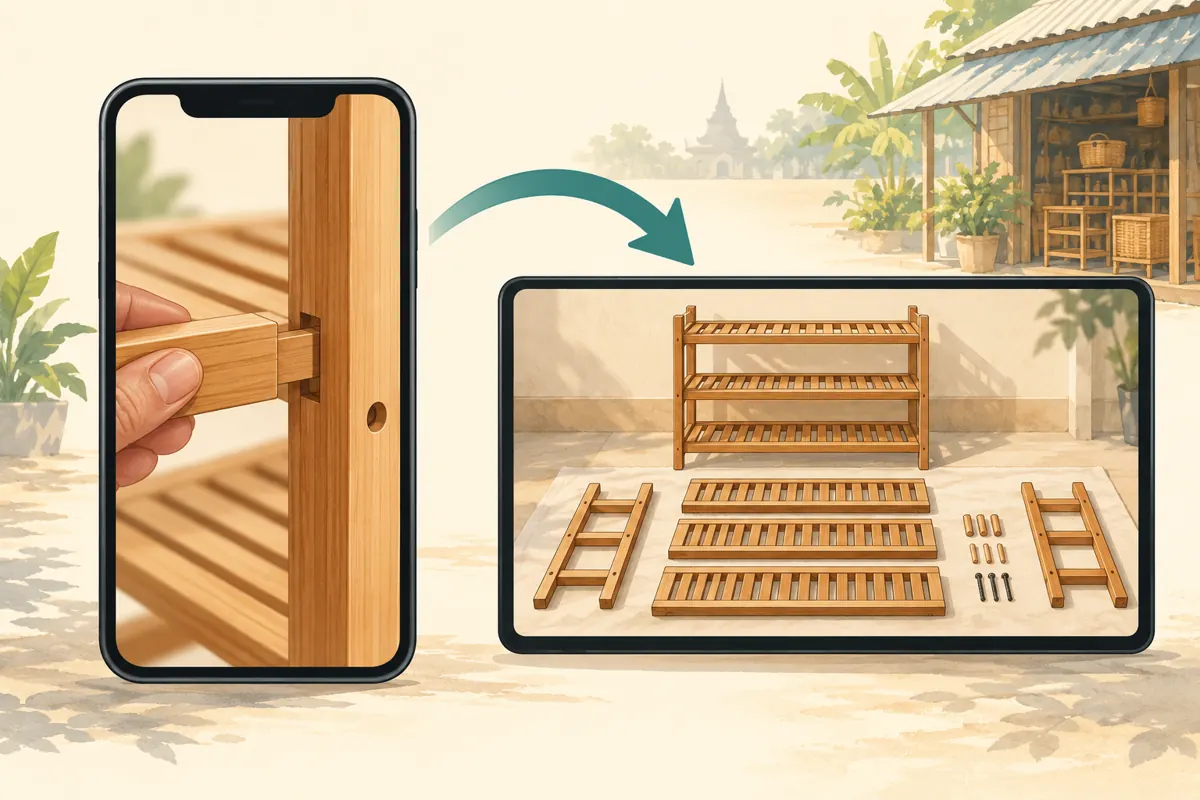
A quick demonstration can show a shoe-rack shelf sliding into place without explaining how the whole rack goes together. For a Cambodian furniture shop, that leaves a practical gap: interested viewers may still need the parts list, assembly order and model details before deciding whether the product suits them. YouTube’s related-video feature can connect that short demonstration to a fuller explanation. This workflow starts with the customer’s next question, pairs the correct videos, and tests the connection before promotion. It also gives SMM panel customers a clear reason to distinguish an engagement service from a useful viewing journey.
1. Choose the question that deserves a second video
Start with a question your staff actually receive about a particular rack. Can the buyer assemble it at home? Which direction should the shelves face? Does the package include the tool shown in the demonstration? Choose one question that the Short can answer clearly, then identify the additional explanation a viewer might reasonably need. A second video should earn its place by resolving that next uncertainty.
Consider a hypothetical Phnom Penh shop selling a wooden rack in a flat package. Its Short demonstrates how one shelf connects to the side frame. The natural next destination is the assembly guide for that rack. A general showroom tour would interrupt the explanation, even if it looks attractive. Write the intended connection in one sentence before filming: after seeing the shelf joint, viewers can watch the complete assembly sequence for the same model.
2. Select the destination before editing the Short
Watch the proposed guide from beginning to end. Check the frame shape, shelf design, fasteners and included accessories against the product currently sold. Similar furniture can use different assembly methods. A guide for a metal rack with push-fit connectors cannot explain a wooden rack with screws simply because both hold shoes.
Prepare the destination to stand on its own. Open with the assembled product and identify the version being demonstrated. Lay out the supplied parts, distinguish any separately required tools, and show the sequence without skipping the difficult joint. Use the product’s own instructions as the basis for assembly advice. Keep delivery offers and temporary discounts separate from instructions that customers may revisit later.
For a Cambodian audience, use the language your intended customers understand. If the explanation is spoken in Khmer, ask a Khmer-speaking colleague to review the technical meaning. Keep the model name consistent across the packaging, Short and guide so staff can identify the right video during enquiries.
3. Confirm the feature requirements and make the connection
YouTube’s official instructions say that adding a related video requires advanced feature access. The selected content must come from your channel, be public or unlisted, and follow its Community Guidelines. The feature can point to videos, Shorts or live content. These requirements concern the connection itself; they do not establish whether your chosen guide is useful.
After uploading the Short, open YouTube Studio, select Content, and open the Short you want to edit. Choose Related Video, select the matching destination, and save. YouTube says viewers will see a clickable link below the channel handle in the Shorts player. The documented steps and requirements appear in [YouTube’s related-video guide](https://support.google.com/youtube/answer/14075157?hl=en-See).
Before saving, compare the destination’s title and preview with your planning notes. If several uploads show nearly identical racks, open the candidate video and confirm its contents. Selecting by thumbnail alone is an avoidable source of mistakes.
4. Make the Short useful before inviting another watch
The Short should deliver the small answer it promises. Show the joint clearly, keep hands from covering the connection, and let the viewer see the completed step. Do not cut away just before the useful movement to force another watch. The longer guide provides context and the remaining steps; it should not rescue a deliberately incomplete demonstration.
Use a brief, accurate invitation near the end. For the hypothetical shop, the message could be: watch the matching guide for the parts layout and complete assembly order. Have staff express that naturally in Khmer when filming for Khmer-speaking viewers. Avoid promising an effortless build or a particular assembly time unless the business has a sound basis for the claim.
Keep the visual identity continuous. Film the same product version in both videos, and use a recognizable view of the rack in the guide’s opening. That continuity helps viewers confirm they reached the intended explanation without decoding a complicated product title.
5. Test the journey as a customer would
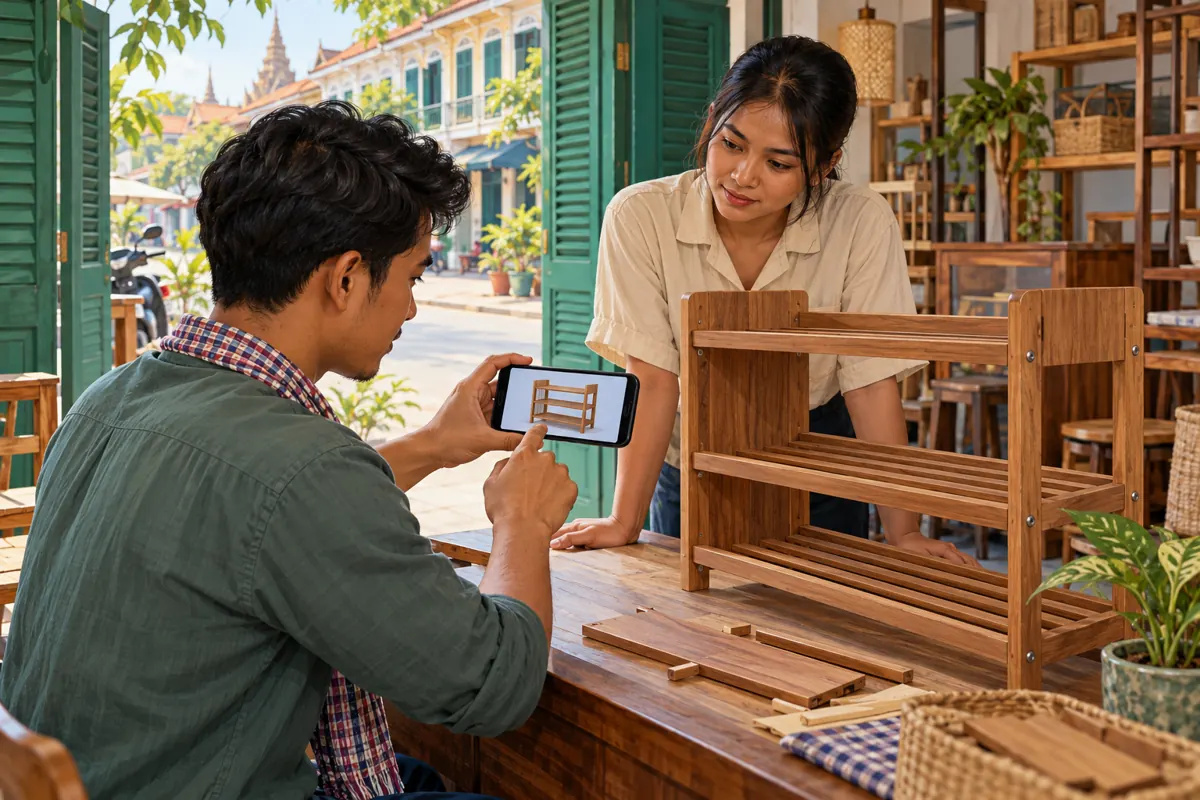
Ask a colleague who did not configure the connection to open the published Short in the YouTube app. Give them a simple task: find the complete assembly instructions for the rack shown. Observe where they hesitate. If they cannot recognize the destination, improve the invitation or the guide’s title before directing more people to the Short.
Have the reviewer open the related video and identify the product version, required tools and first assembly step. This tests comprehension as well as navigation. A working link is insufficient when the destination begins with a long unrelated introduction or shows a different connector.
Repeat the check on a phone screen with ordinary viewing conditions. Look for tiny labels, unclear close-ups and narration that becomes difficult to follow around shop noise. Record the actual issue and correction: for example, the opening did not show which side of the shelf faced upward. Avoid vague approval notes such as everything looks good.
6. Decide whether an SMM service addresses this task
The supplied jak-follow.com catalogue includes the exact listing “Youtube Shorts Likes | Max 50k | 5k-10k/Day | 𝐍𝐎 𝗥𝗘𝗙𝗜𝗟𝗟”. Its title identifies it as a Shorts-likes listing, but no supporting description was supplied. Treat the quantities, timing and refill wording as catalogue labels rather than verified delivery facts. The listing does not establish that anyone will open the assembly guide or understand the product.
YouTube prohibits artificial increases in engagement and warns that a hired promoter’s actions can affect the channel. Its rules also prohibit promoting services that artificially inflate metrics. These points are explained in [YouTube’s fake engagement policy](https://support.google.com/youtube/answer/3399767?hl=en). Do not purchase artificial engagement or promote such services in your videos.
For this task, allocate effort to the guide, filming, translation and viewer testing. Purchased engagement is not evidence of genuine interest, sales, ad delivery or Cambodian users. A panel listing also provides no evidence of official platform affiliation. Choosing not to order is a valid outcome when the service cannot address the customer’s question.
7. Separate navigation problems from buying questions
Keep a small record of the questions that arrive after the videos are shared. Classify them by what needs fixing: finding the guide, understanding an assembly step, identifying the correct rack, or confirming commercial details. This helps the shop decide whether to change the connection, improve the demonstration, clarify the model or answer a stock enquiry.
In a hypothetical example, a viewer asks whether the tool in the guide comes inside the package. That suggests the package contents need clearer explanation. Another asks whether the rack is available for collection in Siem Reap. That is a fulfilment question. Neither message alone proves that the related-video feature caused a sale.
When discussing results, describe what you actually observed. A customer reported finding the guide, or staff received a question about a particular joint. If the customer does not say how they found the video, leave that detail unknown. Rising likes cannot fill the gap in attribution.
8. Keep the pair accurate when the product changes
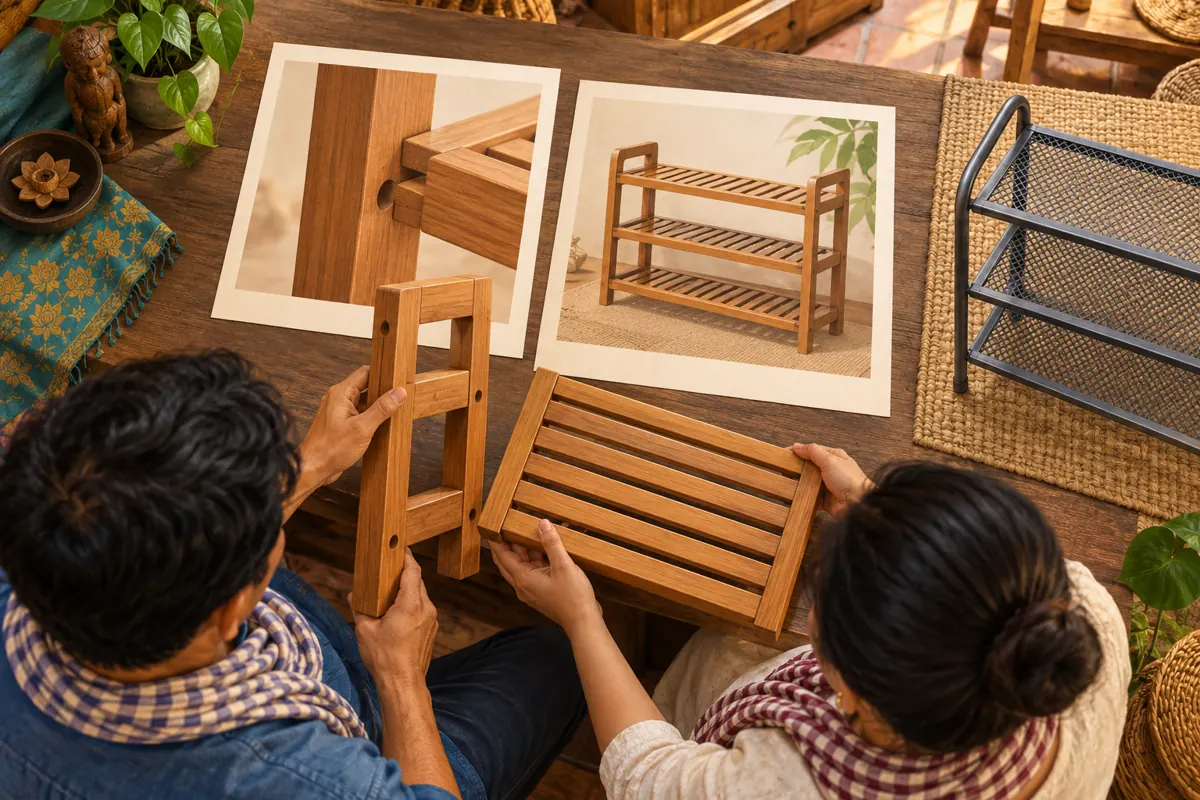
Furniture suppliers may change a connector, shelf shape or included tool while the shop continues using a familiar product name. Assign someone to compare new stock with the filmed model before reusing the promotional Short. If the assembly method changes, review both videos together.
Maintain a simple pairing record containing the Short’s URL, the guide’s URL, the product version, the review date and the responsible staff member. Add a brief reason for the pairing, such as shelf-joint demonstration leading to complete assembly. This makes future decisions easier than relying on memory.
If a destination needs replacing, check that the new guide still fulfils the Short’s spoken promise. Changing the link alone may create a mismatch. A Short promising a wooden-rack assembly guide should not quietly send viewers to a replacement metal model. Where the promise no longer fits, revise the promotional content before sharing it again.
9. Avoid shortcuts that weaken the explanation
A common mistake is choosing the newest upload automatically. Newness does not make a guide relevant. Another is selecting the most popular video despite a product mismatch. Popularity cannot tell a customer which screw belongs in the rack they bought.
Avoid making the guide a catalogue of every item in the shop. Someone arriving from a specific joint demonstration needs an answer with a recognizable starting point. Unrelated promotions delay that answer and make the link feel less dependable.
Do not hide an important difference in the description while the footage implies that all versions assemble identically. Show or explain the difference where it matters. Also avoid presenting internal staff tests as customer endorsements. A colleague successfully opening the guide confirms that particular test; it does not establish wider demand, ease of assembly for every buyer, or future sales.
10. Use a clear go, revise or pause decision
Share the Short more widely when its demonstration is accurate, the matching guide answers the next question, and the tested viewing journey works. Revise when the product match is sound but the invitation, opening or close-up is unclear. Pause the promotion when the destination is wrong, the current stock differs materially, or the feature is unavailable.
For the hypothetical shop, the practical sequence is to finish the assembly guide, film one useful shelf connection, configure the related video, and ask a colleague to test it. Only then should staff use the Short in relevant customer conversations or other appropriate promotion. This sequence prevents a polished teaser from pointing toward unfinished instructions.
Give the review a concrete finish condition: a viewer can recognize the rack, locate the matching explanation and understand what to do next. That is a useful operational standard even when the business has no basis for predicting additional views or orders.
Frequently asked questions
Should every shoe-rack Short point to the same assembly guide?
Only when that guide accurately supports each Short. Different close-ups of the same product may share a destination. Different connectors or assembly methods need a fresh review. Choose by the viewer’s next question and the product version, rather than assigning one guide across the channel for convenience.
What should the shop do if Related Video is unavailable?
Check the channel’s advanced feature access and consult YouTube’s current instructions. Until the option is available and tested, make the Short understandable independently. Staff can share the matching guide directly in relevant customer conversations. Do not promise viewers a connection that the shop has not successfully configured.
Can an unlisted guide be used for this workflow?
Yes. YouTube’s related-video guidance permits a public or unlisted destination from your channel. Choose material that is appropriate for viewers arriving from the Short. Review the entire guide for customer details, private notes or outdated offers before using it as a destination.
Does an increase in Shorts likes show that customers watched the guide?
No. Likes do not establish that someone followed the connection, understood assembly or intended to buy. Keep navigation tests, genuine customer questions and confirmed orders as separate observations. Purchased engagement cannot establish those outcomes or prove that the audience is Cambodian.
How can a small shop choose its first video pair?
Start with a currently stocked model that repeatedly generates one clear assembly question. Use a guide that staff have checked against the actual product. A modest, accurate pair that resolves a recurring uncertainty gives the shop a more useful starting point than several loosely connected promotional clips.
Explore the current service catalogue, create an account, or ask a specific question through support tickets.
Prepared with AI assistance. Illustrations explain the workflow and do not represent customer results.