20/10/2026 18:33
Who Can See Your Vote? Telegram Anonymous Feedback for Cambodian Tailoring Classes

A beginner may happily watch a sewing demonstration but hesitate to admit, in front of classmates, that threading the machine still feels difficult. For a Cambodian tailoring workshop promoting its classes through Telegram, that hesitation matters: public conversation may reveal what confident learners enjoy while leaving quieter learners unheard. An anonymous lesson-feedback poll can offer another way to respond. The practical task is to choose the right visibility, ask a useful question, and explain what happens afterward. This guide follows a hypothetical Phnom Penh tailoring class preparing its next demonstration, with a clear boundary between learning preferences, class enquiries and SMM-panel activity.
1. Decide what the answer will change
Start with a decision small enough to act on. In the hypothetical workshop, the instructor can film one additional beginner demonstration this week. The poll will help choose its subject. It will not assess students, determine who deserves help, or estimate how many paid places the workshop can sell. Writing that purpose before drafting the question prevents a simple feedback exercise from becoming an unclear registration process.
Choose the intended respondents just as carefully. Current beginners can identify problems in the lesson they attended; prospective students can describe what they want to learn. Combining both groups creates a different question. For this workflow, use the existing beginner-class group and explain that the next clip will support their practice. If the resulting demonstration is later used publicly, introduce it as a helpful teaching example rather than evidence that all Cambodian learners share the same difficulty.
2. Understand anonymous and visible voting
Telegram’s official Polls 2.0 guide distinguishes anonymous polls from polls that let group members see who selected each answer. That difference should be a deliberate editorial choice. Anonymous feedback suits this example because the instructor needs a topic preference, not a list of names. Visible voting may suit an openly agreed coordination task, but it adds unnecessary identification to a question about learning difficulties.
Do not promise that anonymity makes every surrounding interaction private. A learner might identify their own answer in a reply, or another person might guess from an earlier conversation. Tell participants what the poll setting does without making broader security claims. Avoid asking students to post screenshots proving they voted, because that would undermine the reason for choosing anonymous feedback. Participation should remain optional, including for students who prefer to speak with the instructor separately.
3. Ask about the lesson, not the learner’s ability
A hypothetical question could be: “Which step would you like us to demonstrate more slowly in the next practice video?” Suitable options are threading the machine, guiding a straight seam, and folding a hem. Each answer describes an action the instructor can show. Avoid labels such as weak beginner or slow learner, which turn a content-planning question into a judgment about the person answering.
Include a neutral way to indicate that none of the listed demonstrations is needed, if that answer would help the decision. Keep options similar in scope: comparing threading with everything about tailoring would produce an awkward result. For a class that communicates in Khmer, have a fluent colleague check the actual poll wording and familiar workshop terminology. Read it aloud once. Someone who understands the demonstration should not need advanced reading skills to understand the choice.
4. Configure a simple preference poll
Telegram’s documented creation flow starts with Poll in the attachment menu, followed by the question, answers and settings. In the relevant group, choose anonymous voting and inspect the setting before sending. For this hypothetical decision, ask each learner to choose the single demonstration they need most. Use a preference poll rather than a quiz: there is no correct answer to which step someone wants explained.
Telegram’s March 2026 update documents additional controls, including poll descriptions, time limits and hiding results until time expires. Use only the controls that serve the task. A short description can explain that voting helps choose a practice video and does not reserve a class place. If the controls on your device differ, check the available interface before announcing the poll. A colleague should be able to explain every enabled option without guessing why it was selected.
5. Test what an ordinary participant can see
Before using the student group, create a separate trial poll in a small staff test group. Use harmless sample options and ask a colleague to participate from their own account. Review the question, option wrapping and visible voting information from the participant’s perspective. The test should establish whether the configuration matches the explanation you intend to give learners. It should not involve sharing passwords or borrowing a student’s account.
Then recreate the approved poll in the intended class group and check its settings again. A successful trial does not protect against selecting the wrong option during final setup. If you discover a visibility mistake after students begin responding, acknowledge it promptly and stop directing people to the faulty poll. Explain the correction before requesting another response. Do not assume that removing a mistaken post reverses information people have already seen.
6. Invite responses without pressuring students
Place a brief invitation beside the poll. A hypothetical message might say: “We are choosing the next practice demonstration. Please select the step you would find most useful. This is anonymous lesson feedback, not an assessment or a booking. You can also speak to the instructor if you prefer.” Adapt the language to the class rather than copying an English template into a Khmer conversation without review.
Keep reminders proportionate. One clear reminder during the agreed feedback period may be enough for a small class. Do not tag individual students as nonrespondents, demand participation during payment collection, or imply that answers affect access to teaching. If you advertise the workshop elsewhere while collecting feedback, keep that promotional post separate from the class poll. Otherwise, outside participation could change whose preferences the result represents and make the original teaching decision harder to interpret.
7. Keep SMM-panel activity outside the feedback evidence
An SMM-panel catalogue is not a source of student feedback. One supplied public listing is “Telegram Comments ~ AI Based on Content ~ English ~ Max 30k ~ 30k/day ~ Instant ~ 𝐍𝐎 𝗥𝗘𝗙𝗜𝗟𝗟”. Its title presents it as an English AI-based comments service; the supplied description is empty. The title’s quantity, speed and other promotional wording are not independently verified facts. Nothing supplied establishes a poll-voting service, Cambodian participation or suitability for a Khmer beginner class.
For this workflow, do not use generated comments to imitate student requests or make a lesson appear popular. Purchased engagement does not establish genuine interest, sales, ad delivery or Cambodian users. If the workshop reviews panel services for separate promotional work, record that activity separately and check applicable platform rules before proceeding. The decision here can be to buy nothing: filming the requested step and explaining the class clearly may address the actual problem more directly.

8. Read the result at its actual scale
Record the question, answer options, review date and result without trying to attach identities to anonymous choices. Describe the outcome as preferences among people who responded in that class group. Silence is ambiguous: a learner may have missed the message, understood every option, disliked the choices or preferred not to answer. It does not automatically mean satisfaction, disinterest or rejection of the workshop.
In a hypothetical outcome, folding a hem receives the most selections. The instructor can reasonably choose a hem demonstration next, while retaining other requests for later lessons. That result does not prove demand for a paid hemming course or justify a claim that the workshop is Cambodia’s preferred training provider. If choices are close, use teaching prerequisites, available materials and production effort to decide. Explain the practical reason rather than presenting a narrow preference as a sweeping audience verdict.
9. Turn feedback into a useful promotional asset
Film the selected step so a beginner can follow the actual hand movement. For the hypothetical hem demonstration, show the fabric edge before folding, the fold being formed and the finished example. Choose a camera angle that keeps the relevant action visible. Use a practice sample instead of a student’s identifiable garment unless you have permission for that use. The educational value comes from clarity, not from displaying the poll beside the video.
Share the completed clip with the class and explain that it addresses a requested practice topic. If you later use it to promote the workshop, state what the lesson teaches and how someone can enquire. Keep availability and registration details current. Do not label the clip a customer success story merely because learners selected its topic. A person asking for a clearer demonstration has expressed a learning need, not supplied a testimonial or agreed to appear in advertising.
10. Close the feedback loop and separate follow-up records
After sharing the demonstration, invite a specific follow-up question, such as whether the camera angle made the fold visible. Avoid immediately launching another broad poll that repeats the original question. If someone needs individual assistance, let them initiate a separate conversation. Do not attempt to reconstruct anonymous votes by comparing response times, comments or who later asks for help.
Maintain a compact teaching note: what was asked, what content was produced and which questions remain unresolved. Keep class enquiries and confirmed registrations in their own records. This separation prevents a common reporting mistake in social media promotion: adding votes, comments and enquiries together as though they were equivalent customers. At the next planning session, assess whether the demonstration answered the teaching problem. That gives the workshop a concrete improvement to make even when the poll attracts little participation.

Frequently asked questions
Should every tailoring-class poll be anonymous?
No. Choose visibility according to the information needed and participants’ expectations. Anonymous voting is useful when selecting lesson topics without identifying who needs help. A visible coordination poll may be appropriate when everyone understands that their choices will be shown. Explain that distinction before participation, rather than relying on learners to notice a setting.
Can we contact everyone who selected the beginner option?
Do not plan anonymous feedback around identifying respondents afterward. Add a separate invitation for anyone who wants individual help to contact the instructor voluntarily. This lets a learner request support without connecting their public identity to a poll response. Keep that conversation separate from marketing follow-up unless the person has agreed to receive it.
What should we do if almost nobody answers?
First review whether the question was understandable, relevant and posted where the intended class would see it. Do not purchase activity to make the exercise look successful. You can choose a demonstration based on teaching observations and describe that basis honestly. A small response provides limited guidance; it does not require abandoning useful teaching content.
Can the winning topic justify opening a paid class?
It can suggest a topic worth investigating, but it cannot establish enrolment demand. Prepare a separate, clear offer with the lesson scope, location, schedule and confirmed fee. Invite enquiries through the workshop’s normal process. Only treat a place as reserved when the stated registration conditions are met, rather than counting lesson-feedback votes as commitments.
Is it acceptable to share a screenshot of the poll publicly?
Consider whether a screenshot adds anything that a short explanation cannot. It may include group details, names in surrounding messages or contextual information students did not expect to become promotional material. Prefer a restrained statement about the teaching decision. Do not use the result as customer proof or imply that a class-group poll represents the Cambodian market.
Explore the current service catalogue, create an account, or ask a specific question through support tickets.
- Telegram: Polls 2.0 — Visible Votes, Multiple Answers, and Quiz Mode
- Telegram: AI Editor, Mighty Polls, Live Photos, Bots Managed by Bots, and More
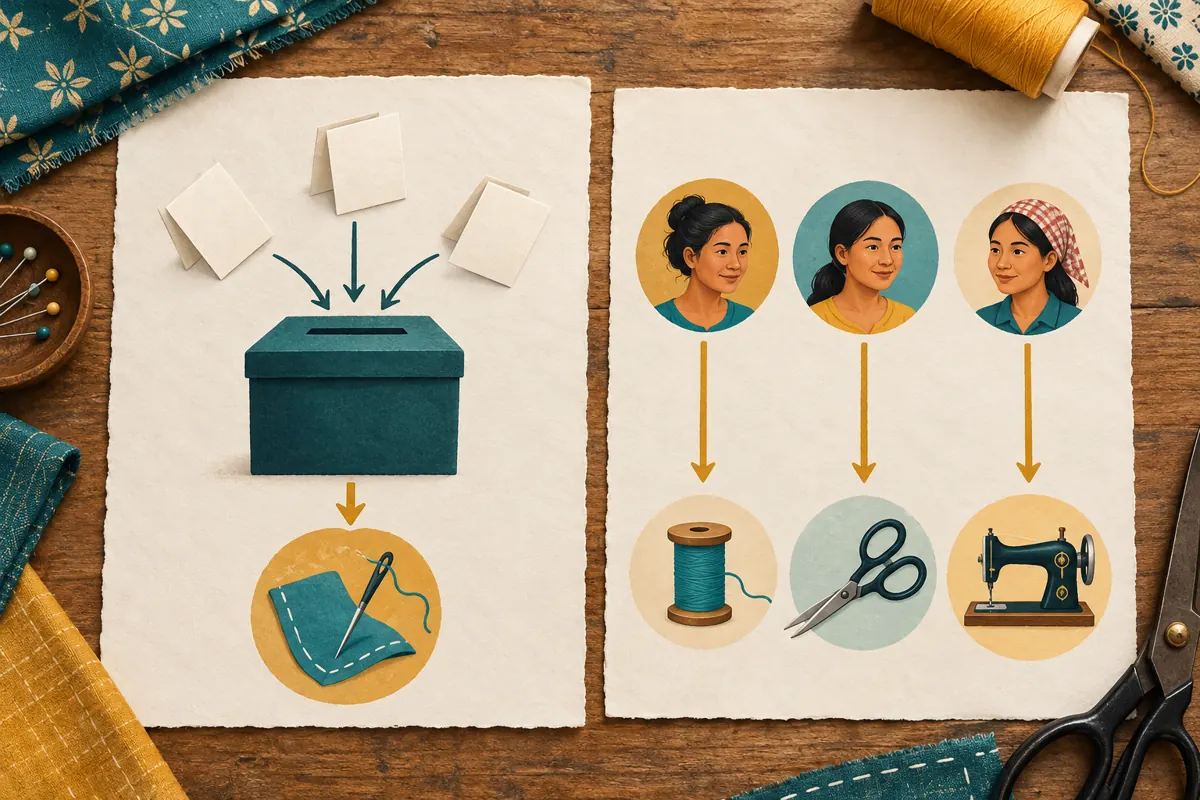
Prepared with AI assistance. Illustrations explain the workflow and do not represent customer results.