21/10/2026 08:35
Which Pattern Should We Demonstrate? YouTube Image Polls for Cambodian Cushion-Cover Shops
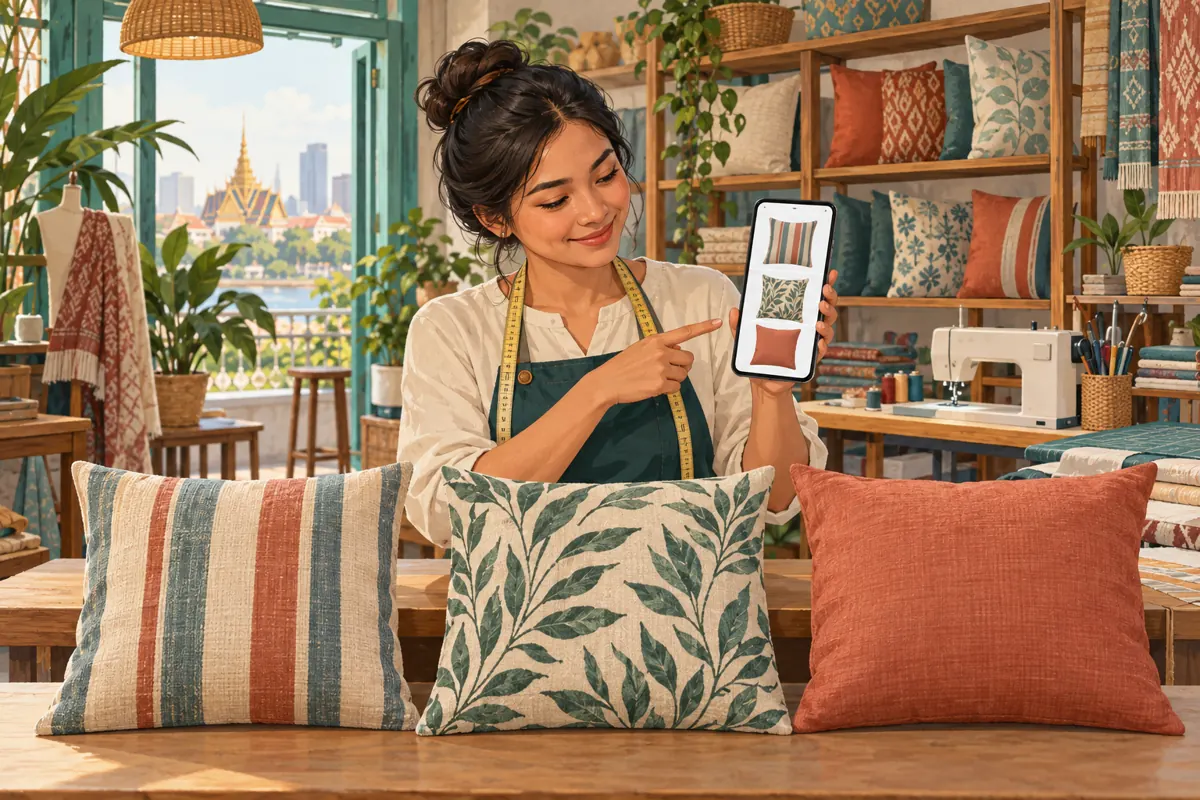
A cushion-cover shop can publish attractive product videos and still struggle to decide what to film next. Viewers might want to see a leafy print fitted over an insert, a striped cover aligned at the seams, or a plain fabric shown close enough to judge its texture. A YouTube image poll gives those choices a visible form. For a Cambodian business, the useful outcome is a clearer demonstration brief: which sample to show and what question to answer. This workflow takes a shop from comparable photographs to a practical follow-up, while keeping audience preferences separate from reservations, stock forecasts and SMM panel delivery claims.
1. Give the poll one decision to support
Begin with a decision the shop can actually make after reading the responses. Choosing the next demonstration is manageable because it requires a sample and filming time. Deciding how much fabric to purchase is a larger commitment involving supplier availability, costs and confirmed demand. An informal audience poll should not carry that entire decision.
In a hypothetical Phnom Penh cushion-cover shop, three samples are ready to film: narrow stripes, a leafy pattern and plain terracotta. The owner asks which cover viewers want demonstrated next. Staff agree beforehand that the selected video will show the front, reverse, opening and fit on an insert. That agreement makes the poll actionable even if comments reveal more interest in construction than appearance.
2. Check access and the intended destination
Confirm that the person preparing the poll can create channel posts. YouTube says posts are unavailable for supervised accounts and channels set as Made for Kids; access can also depend on the channel role. Viewers can find posts on the channel, and posts may appear in Home or Subscriptions feeds. Placement and notifications are possibilities, not promises. See YouTube’s [Learn about posts](https://support.google.com/youtube/answer/9409631?hl=en).
Use the shop’s channel post workflow for this exercise. Before preparing promotional reminders, ask a colleague to locate the channel’s Posts tab from a viewer’s perspective. If posting access is missing, resolve that issue first or collect ordinary questions through an existing video. Keep audience settings accurate; changing a classification merely to obtain a feature would not solve the underlying publishing requirement.
3. Choose samples that make a fair comparison
Compare options at a similar stage of readiness. A finished cover photographed on an insert will usually communicate more than a wrinkled fabric offcut. If the question concerns patterns, present each pattern on the same kind of cover. If only swatches exist, use swatches for every option and explain that viewers are choosing a demonstration sample.
Keep unrelated differences out of the comparison where possible. A larger cushion, decorative piping or an expensive-looking sofa can influence the choice independently of the fabric. Include only samples the shop can demonstrate honestly. For a Cambodian shop serving both local pickup and provincial enquiries, avoid suggesting that every pictured material is available for immediate dispatch unless staff have checked it.
4. Photograph each option under matching conditions
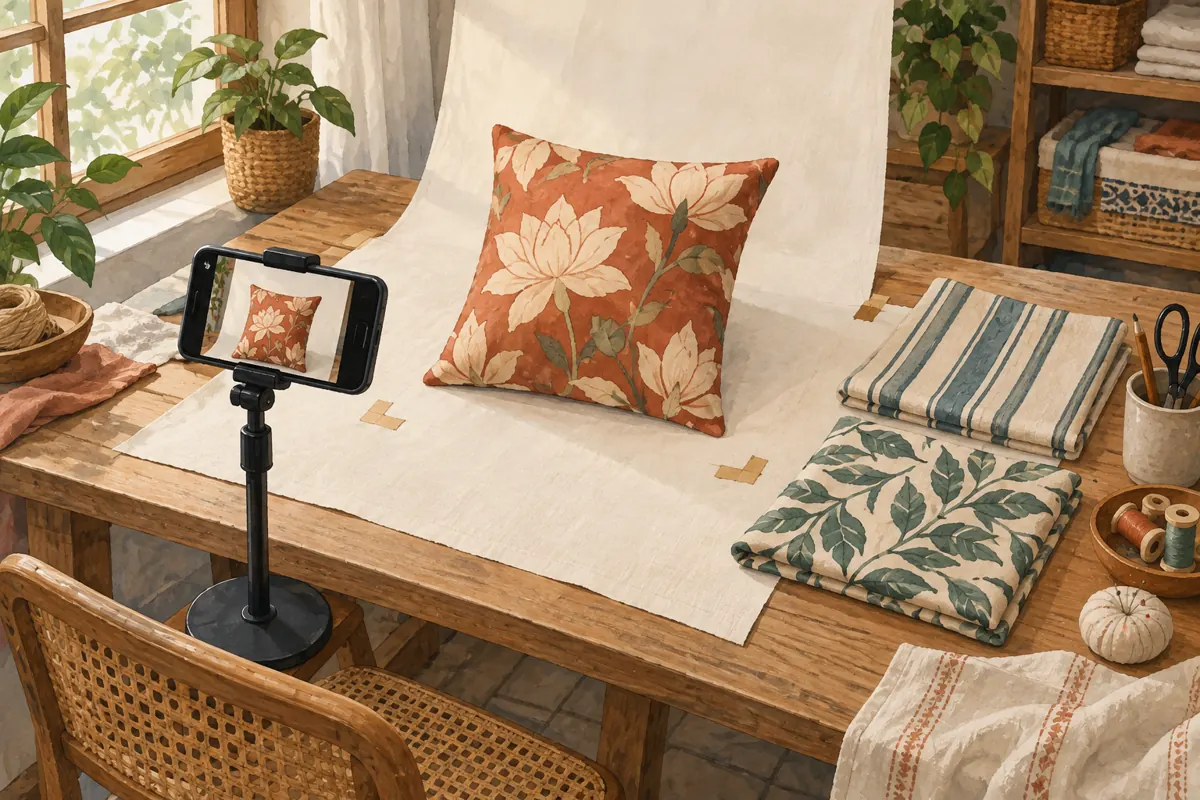
Set the phone in one position and mark where the cushion sits. Use the same background, camera distance and lighting for every sample. Straighten the cover consistently, but retain visible seams and texture. Photograph all options during the same session if possible, since a change in daylight can make one colour look warmer or brighter.
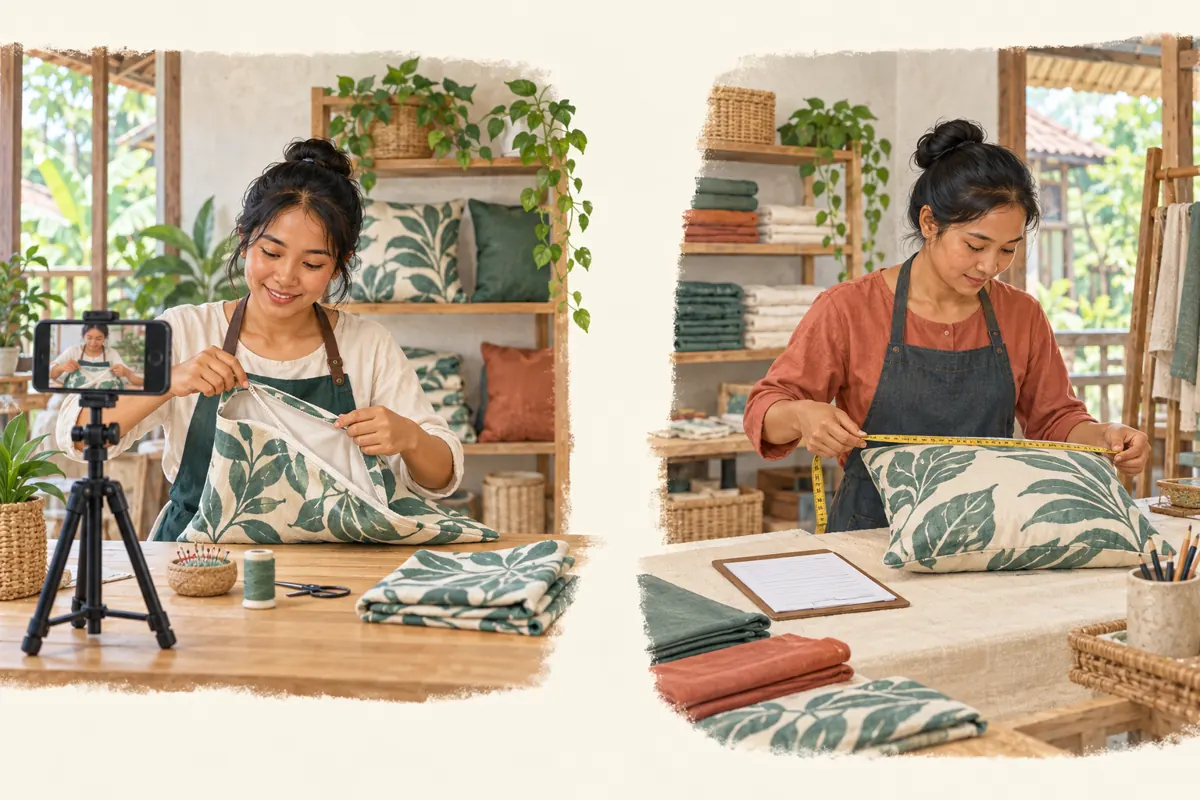
Review the pictures together on a phone. Check whether the stripe width remains visible and whether the leafy pattern can be distinguished without zooming. Avoid filters that alter colour or hide the weave. Keep original files alongside the selected crops so staff can resolve later questions. The editorial illustrations accompanying this article explain the workflow; a shop’s actual poll should use photographs of its own samples.
5. Write a question that does not imply a purchase
A useful hypothetical question is: “Which cushion cover should we show inside and out in our next video? This chooses a demonstration, not a reservation.” The wording tells viewers both what they are selecting and what will happen afterward. Avoid combining pattern preference, price acceptance and delivery interest into one question because a single vote cannot explain all three.
Write the live poll in the language the shop’s viewers understand, with a fluent Khmer reader checking the meaning when appropriate. Keep pattern names consistent with labels used at the counter. Short descriptions such as “Narrow stripes” and “Leaf pattern” are easier to connect to a photograph than internal supplier codes. Do not call an option the favourite before responses arrive.
6. Build and review the image poll
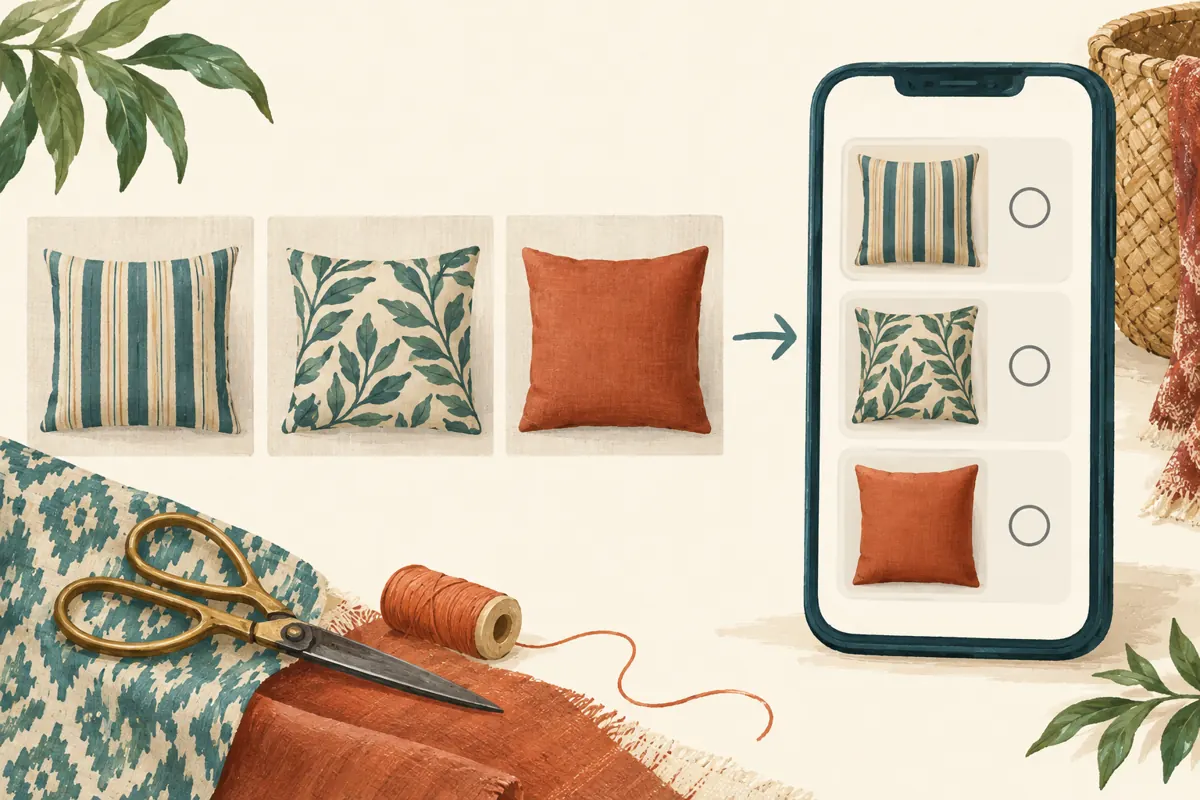
On a computer, sign in to YouTube, select Create, then Create post. Choose the poll control and select Image poll. Enter the question, upload the answer images and add short option captions. YouTube currently allows up to four image options, with captions limited to 36 characters. Review everything before selecting Post. These controls are documented in [Create a post](https://support.google.com/youtube/answer/7124474?hl=en).
Three clear options are enough for the hypothetical shop. Adding another sample solely to fill the available space creates extra photography and interpretation work. Have a colleague match each caption to the physical cover, then read the question without your explanation. If they believe voting reserves stock or qualifies them for a discount, revise the wording before publication.
7. Set a review point and share useful context
Choose when staff will review responses and make the filming decision. For example, a hypothetical shop could review the poll on Friday afternoon before preparing the weekend demonstration. Explain this as the shop’s decision time rather than claiming the platform automatically stops voting then. Record the date and Cambodia time in the internal filming brief.
Share the poll where the business already has a relevant audience, with a simple explanation of the upcoming demonstration. Avoid repeatedly posting the same request into unrelated conversations. Invite viewers to explain what they want to see, such as the opening or reverse side, without asking for phone numbers or addresses. YouTube itself suggests asking audiences which videos they want next in its [Posts tips](https://support.google.com/youtube/answer/11912631?hl=en).
8. Read preferences alongside the questions
At the review point, save the question, option images, visible response information and date together. Describe the result narrowly: viewers participating in this poll preferred a particular demonstration. The poll does not establish the preferences of Cambodian households generally, the locations of participants, their spending intentions or the quantities a supplier should deliver.
In a hypothetical result, the leafy cover leads while several comments ask whether its opening is wide enough for a firm insert. The next video should therefore demonstrate the opening, not simply rotate the cushion for another beauty shot. If responses are sparse or tied, select the sample that answers the clearest unresolved question and explain that editorial choice. Do not manufacture a decisive winner.
9. Keep SMM catalogue entries outside the voting decision
A relevant public catalogue entry in the supplied jak-follow.com brief is “YouTube Under Comment Like ~ Max 10k ~ 𝐍𝐎 𝗥𝗘𝗙𝗜𝗟𝗟 ~ 10k/days ~ INSTANT”. Its title identifies a comment-like offering, but its description is empty. Nothing supplied establishes support for image-poll votes, Cambodian participants or customer research. The title’s quantity, speed and refill wording should not be treated as independently verified delivery facts.
Do not use purchased engagement to strengthen a preferred option or present it as customer evidence. Purchased engagement does not establish genuine interest, sales, advertising delivery or Cambodian audience origin. YouTube prohibits artificial increases in engagement metrics and warns that a hired promoter’s actions can affect the channel. Review its [Fake engagement policy](https://support.google.com/youtube/answer/3399767?hl=en). For this workflow, spend effort on sample clarity and useful filming rather than metric inflation.
10. Turn the selected sample into a complete demonstration
Prepare a short shot list from the original promise and the genuine questions received. Show the complete cover first, then its opening, inside construction and fit on the stated insert. Explain whether the demonstration includes only the cover or also the cushion filling. Use the same pattern name from the poll so viewers can recognise the connection.
Publish a follow-up explaining which sample was selected and what the video answers. If availability changed during production, disclose that change instead of implying the demonstration confirms current stock. Keep enquiries on the shop’s normal order process, where staff can confirm dimensions, material, quantity and collection or delivery arrangements. A vote remains a content preference until someone separately requests and confirms a purchase.
11. Fix the mistakes that make results misleading
Unequal photographs are a common problem: one option appears on a styled sofa while another is a dim close-up. Another is an overloaded question asking which pattern viewers like, would buy and want delivered. Both produce responses that are difficult to interpret. Fix the comparison and narrow the question before collecting more answers.
Do not silently redefine what an option means after people respond. If a substantial mistake makes the poll unreliable, explain the correction and create a clearly identified replacement when necessary. Avoid turning a small preference exercise into a claim that a pattern is Cambodia’s best seller. Assign one staff member to deliver the promised follow-up, otherwise even a well-prepared poll becomes an unanswered invitation.
Frequently asked questions
Should we use an image poll or a text poll for cushion covers?
Use images when viewers need to recognise a pattern or visible construction detail. Text is more suitable when the alternatives are questions, such as whether to explain measuring or washing first. Images still need short, understandable labels. If the photographs cannot show the difference fairly, improve them or choose a question that does not depend on visual judgement.
Can the leading option tell us how much fabric to buy?
No. Choosing a demonstration does not establish a purchase quantity, acceptable price or delivery deadline. Use the result to decide what to explain next. Before committing to stock, combine supplier information with actual enquiries and confirmed orders. A viewer may select an unfamiliar pattern out of curiosity while intending to buy something entirely different.
What should we do when very few people respond?
Check whether the question is understandable and the options are visibly different. Give the intended audience a reasonable opportunity to encounter the poll, but avoid repeated pressure to vote. If participation remains limited, use existing customer questions to choose the demonstration. Say that the response was limited rather than presenting a strong audience mandate.
Does a YouTube comment-like service also support poll votes?
The supplied catalogue information does not establish that capability. A service title concerning comment likes is not documentation for image-poll voting. More importantly, purchased interactions would undermine the purpose of learning what viewers want and could conflict with YouTube’s rules. Keep the poll voluntary and base the filming decision on the responses and questions actually received.
What if viewers choose a sample that becomes unavailable?
Explain the availability change before presenting the demonstration as a shopping opportunity. You may still film an educational example if the sample exists and its status is clear. Otherwise, offer a transparent alternative or ask a new question. Do not substitute a different fabric under the original option name, because viewers may care about its texture or construction.
Explore the current service catalogue, create an account, or ask a specific question through support tickets.
- YouTube Help: Create a post
- YouTube Help: Learn about posts
- YouTube Help: Posts tips
- YouTube Help: Fake engagement policy
Prepared with AI assistance. Illustrations explain the workflow and do not represent customer results.