16/10/2026 15:13
Build a Manageable Multi-Platform Social Media Content Calendar

A content calendar is a practical record of what your team plans to publish and what must happen first. It should reduce confusion, not create another large document that nobody maintains. When you work across several social platforms, the important details are the intended audience, the final destination and the person responsible for each step. Keep any related JAK Follow order as a separate, traceable task inside that wider plan.
Plan around useful topics
Start with a short collection of questions, product explanations or demonstrations that matter to your audience. Assign each topic a clear purpose before choosing a publishing date. Avoid filling a calendar with repetitive promotional statements simply to make it look busy. Leave space for genuine customer questions, corrections and ideas that emerge after people interact with the content.
Prepare a version for each destination
A topic can be reused without copying the exact same presentation everywhere. Decide which explanation, image, video or caption makes sense for each destination. Check the requirements of the actual publishing interface rather than relying on an old template. Keep the core message accurate across versions so one platform does not promise something that another version quietly qualifies.
Make approvals visible
Use a simple approval state for the content itself, such as draft, ready for review and approved. Assign one person to verify product details and one person to publish where appropriate. These are internal editorial states, not service delivery statuses. Keeping them separate prevents a colleague from assuming that a completed service order means the content has passed your business’s own accuracy checks.
Attach the final link after publishing
Replace draft notes with the exact published destination once the content is live. Review that link before using it in an order. Store any service reference, charge and order ID beside the relevant calendar item without exposing credentials. Do not let several team members create overlapping requests merely because they cannot see that someone else already submitted one.

Review the workload as well as the results
At the end of a planning cycle, ask what your team could maintain comfortably and which content answered useful questions. Remove unnecessary tasks and improve the steps that caused repeated confusion. A sustainable publishing rhythm is more helpful than an ambitious schedule that leaves no time for customer replies. Review genuine audience feedback separately from delivery records and visible activity counters.
Quick checklist
- Choose useful topics before filling dates.
- Keep platform versions accurate and identifiable.
- Separate editorial approval from order status.
Common questions
Should every platform receive an identical post?
Not necessarily. Adapt the presentation while keeping the underlying information accurate.
Where should related service references be stored?
Beside the correct calendar item, clearly separated from passwords and API credentials.
Continue with JAK Follow
Review the current service catalogue and its conditions, visit FAQ, or read the API documentation when connecting an application. For account-specific questions, sign in and open a ticket with the relevant non-secret reference. Use services responsibly and in line with the relevant social platform’s rules; a service listing does not guarantee sales, revenue or genuine audience interest.
Related guides
- Social Media Campaign Reporting: Separate Delivery from Business Results
- Managing Several Social Media Brands Without Mixing Up Orders
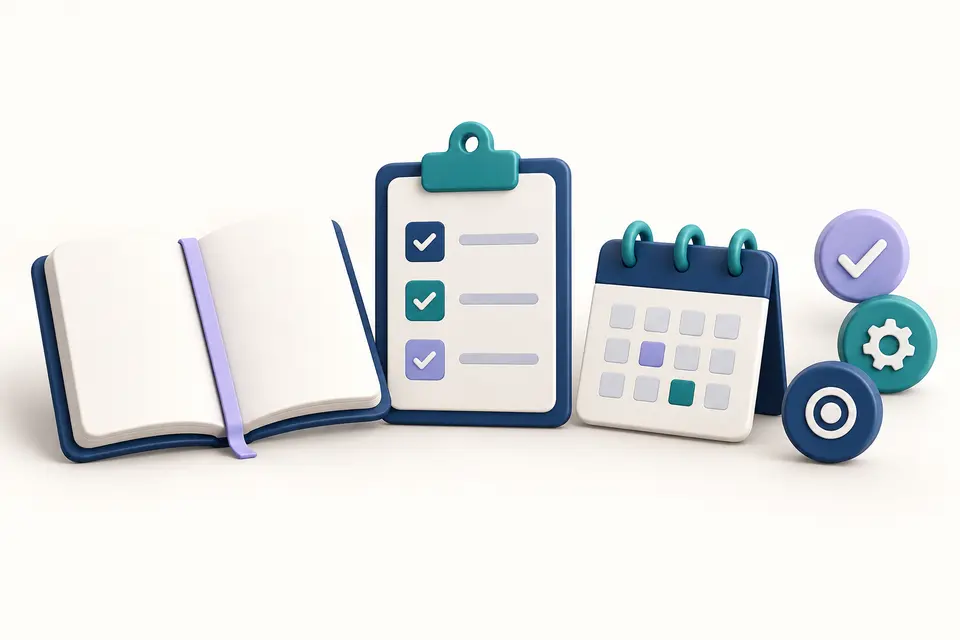
Artwork is AI-generated conceptual illustration, not a real account screenshot or evidence of customer results.